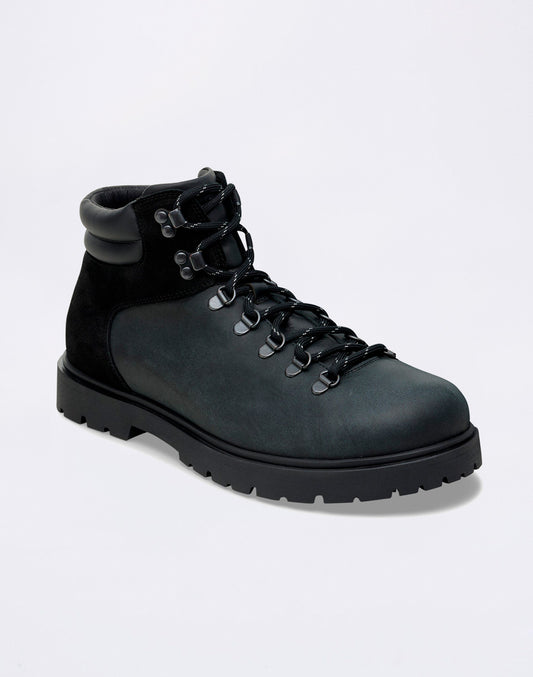
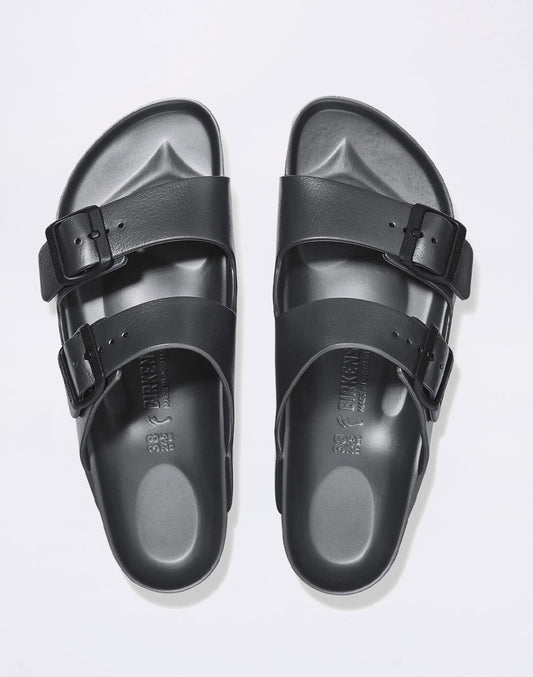
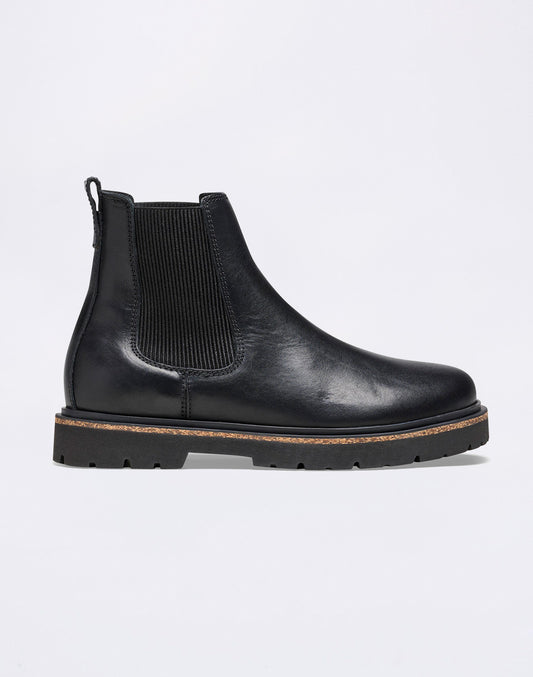
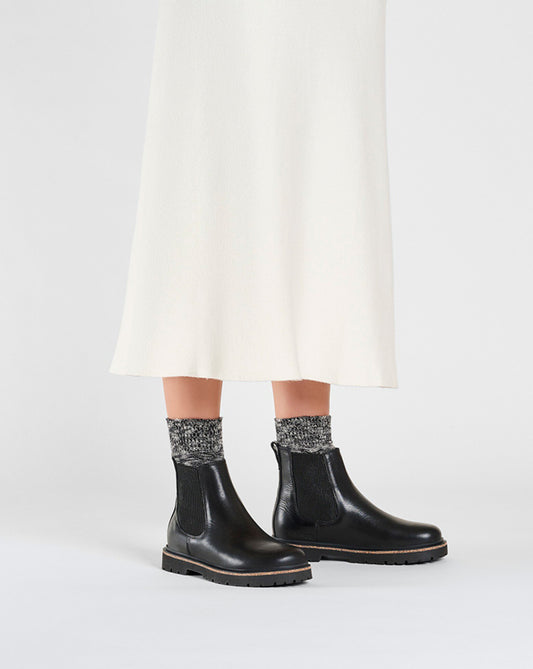
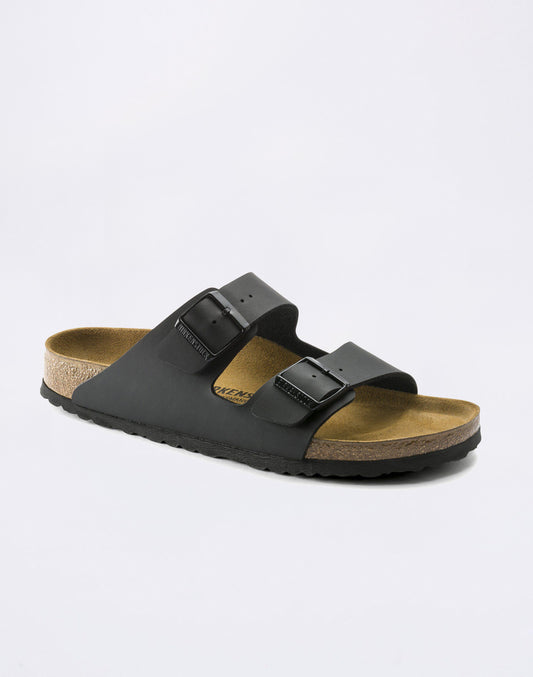
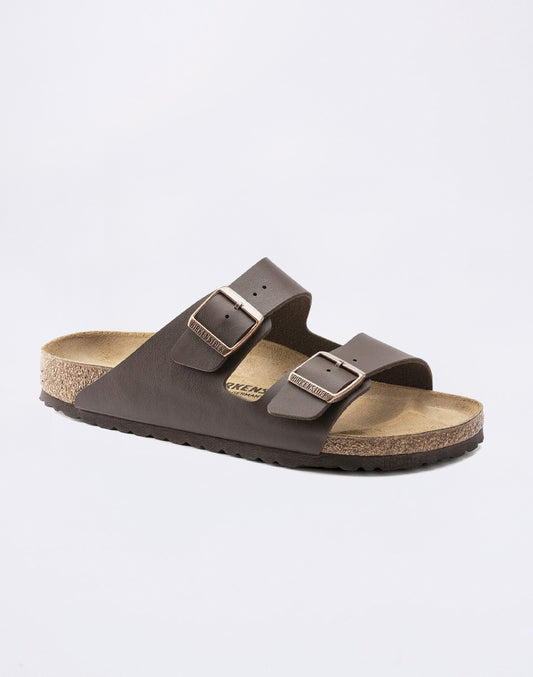
Collection:
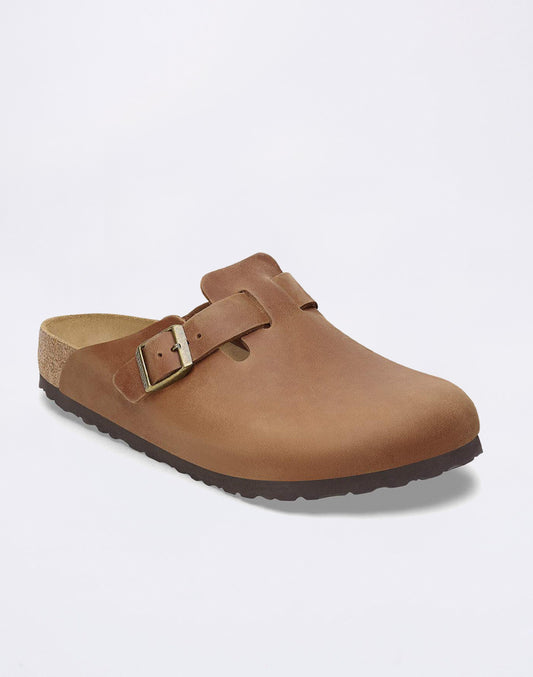
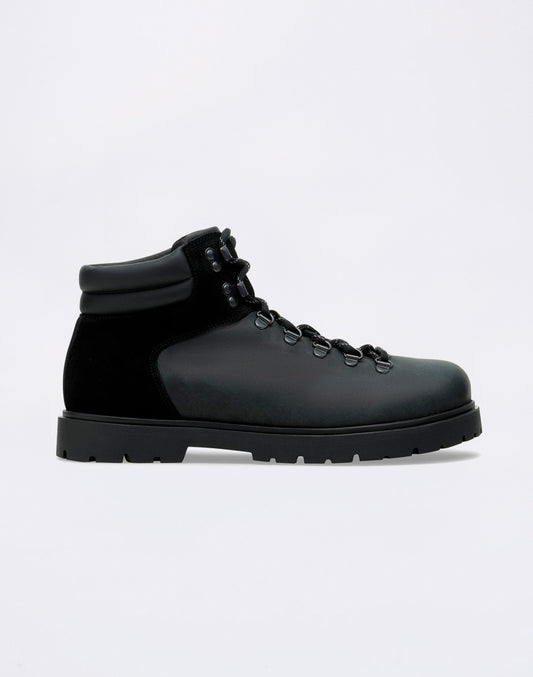
Birkenstock
In the archives of a church in the Hessian town of Langen-Bergheim, a Johann Adam Birkenstock is recorded in 1774, occupation: shoemaker.
This dry clerical entry marks the beginning of one of the longest family histories in footwear.
A hundred and twenty years later, his descendant, master shoemaker Konrad Birkenstock, runs two shops in Frankfurt and is troubled by the standard of the day: every shoe has a flat surface inside, as though the human foot were a plank.
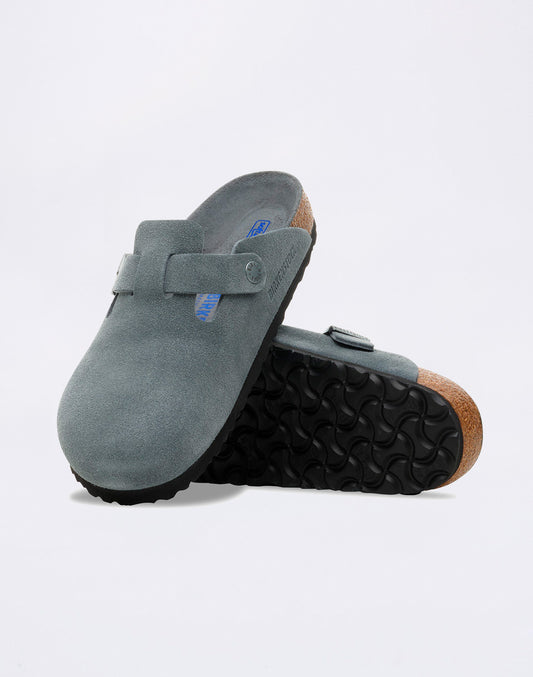
He therefore invents a flexible, contoured insole that follows the arch of the foot, spends over a decade fine-tuning the materials, and ultimately settles on a combination of cork and natural latex.
He calls the invention Fußbett — a bed for the foot — patents his orthopaedic footwear and in 1925 registers Fußbett as a trademark.
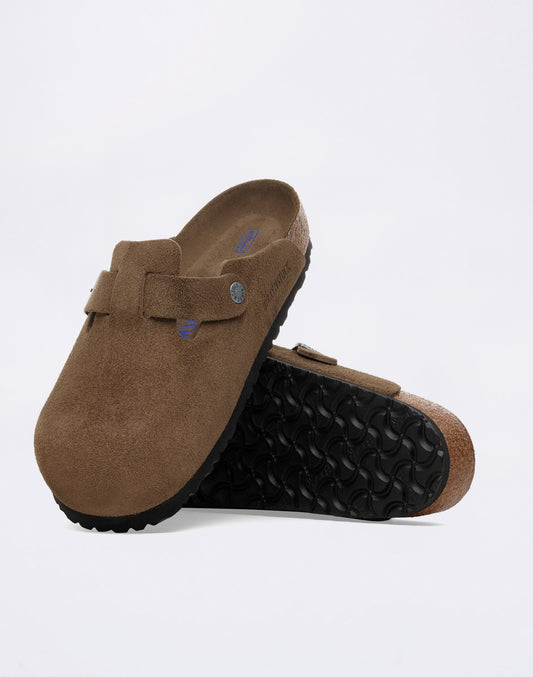
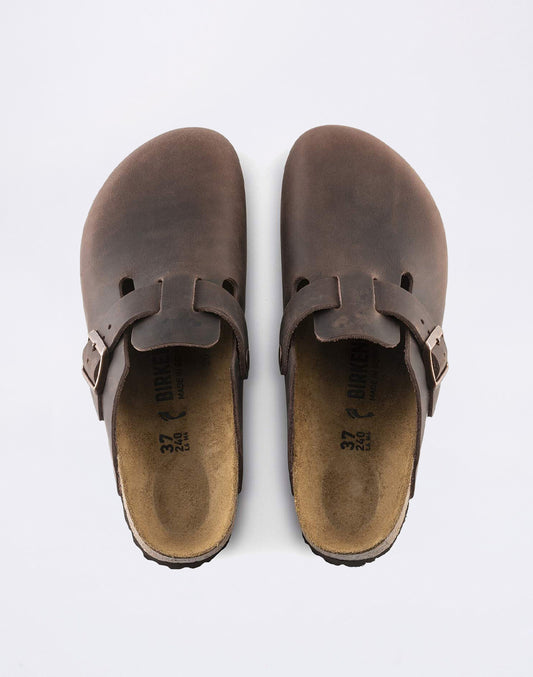
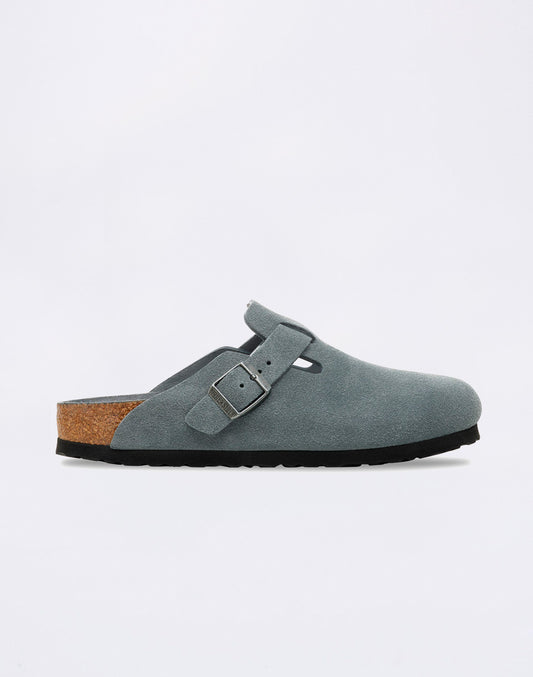
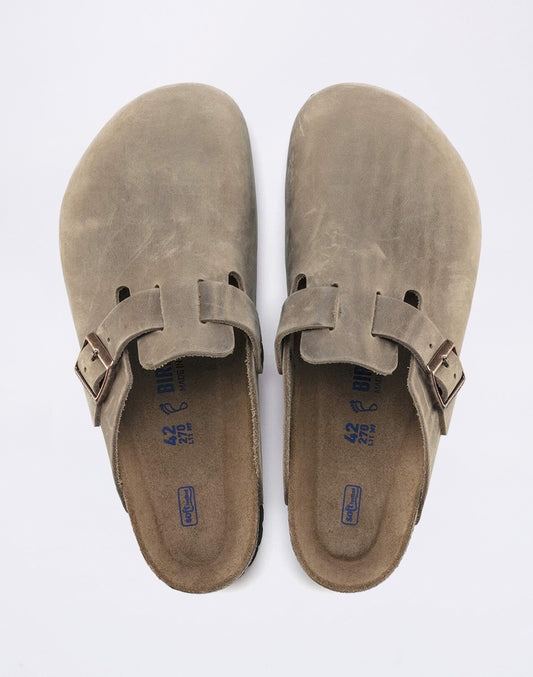
The principle remains the same to this day, and remains brilliant: the cork-latex footbed gradually moulds itself to the individual foot through heat and pressure, so the longer you wear Birkenstocks, the more they become yours.
What began as an orthopaedic aid has since become a fashion icon.
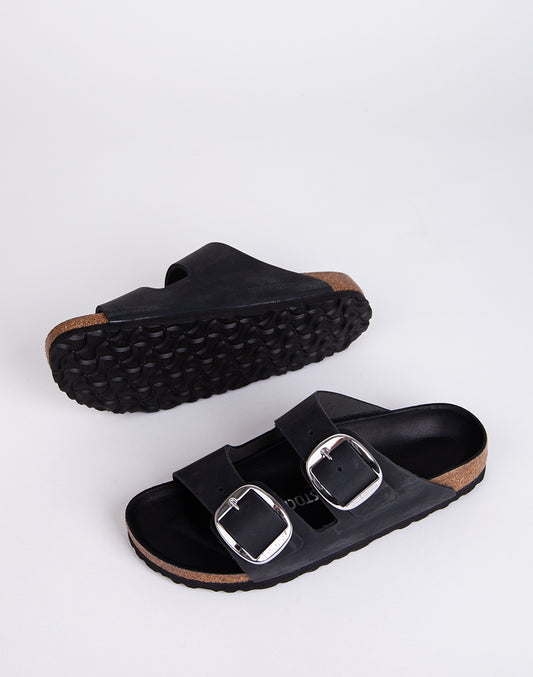
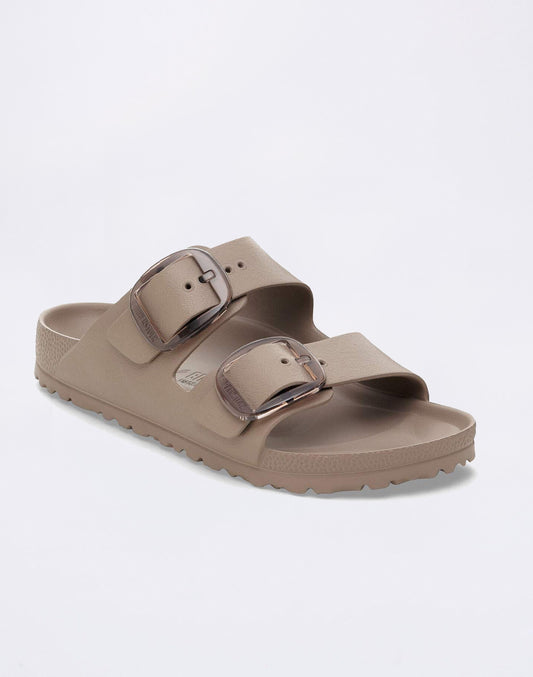
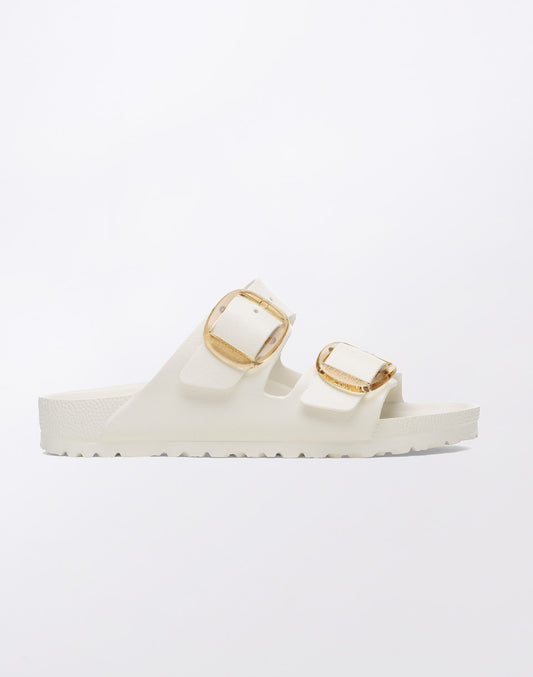
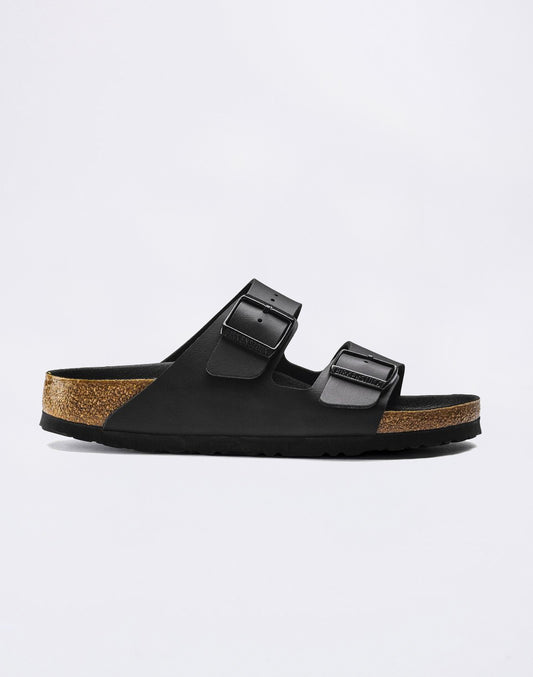
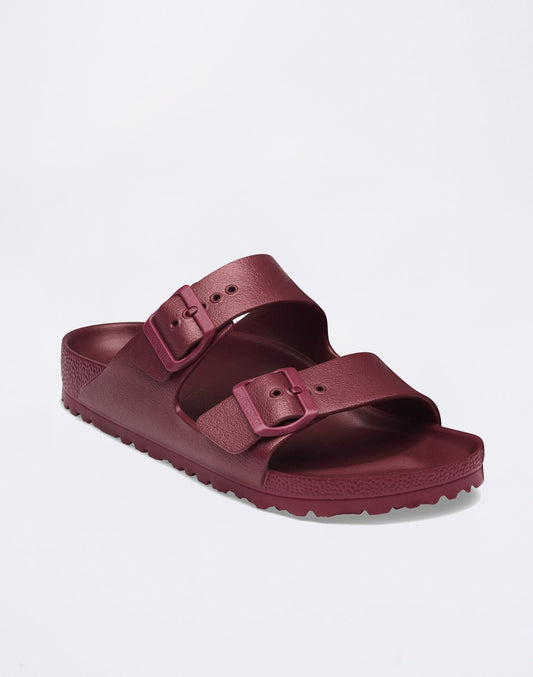
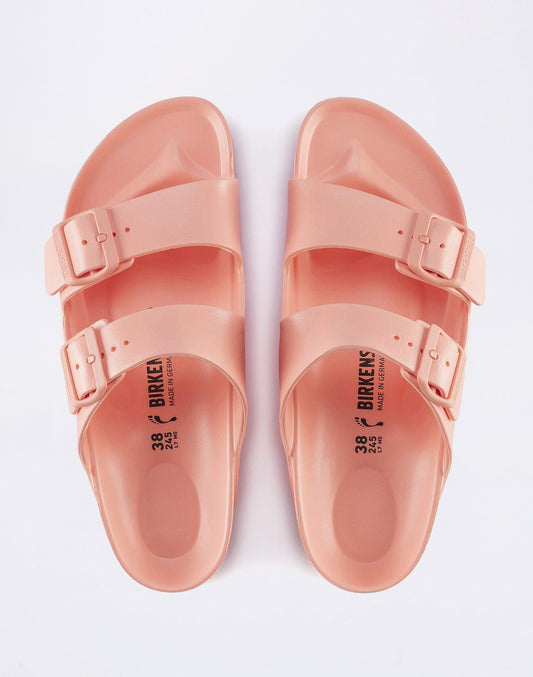
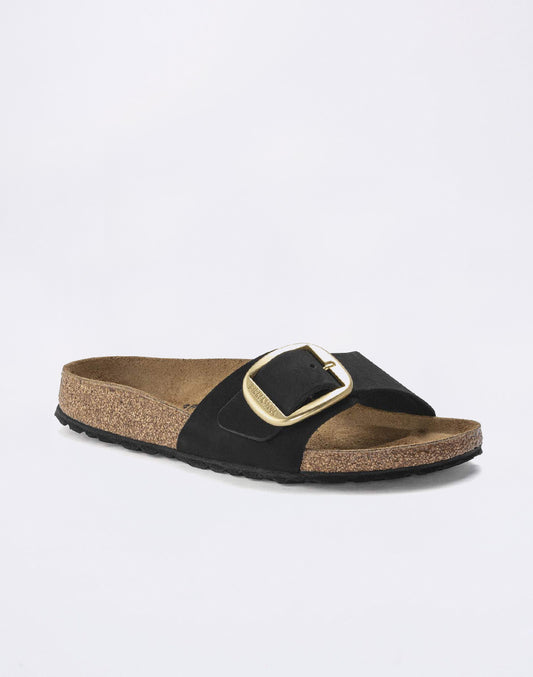
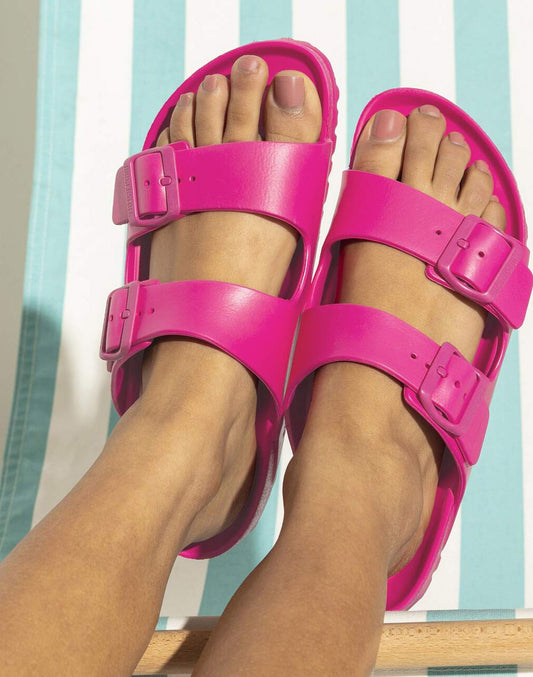
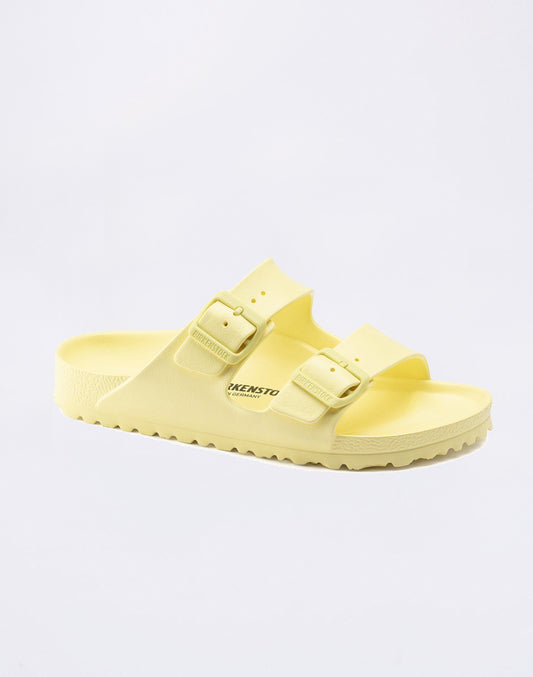
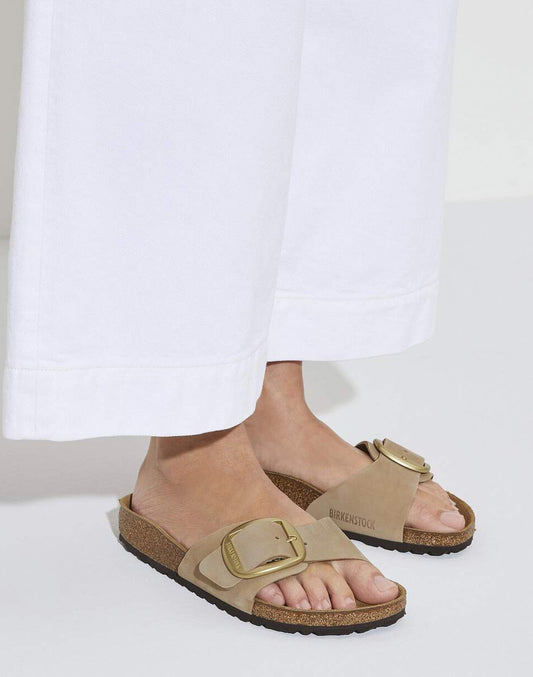
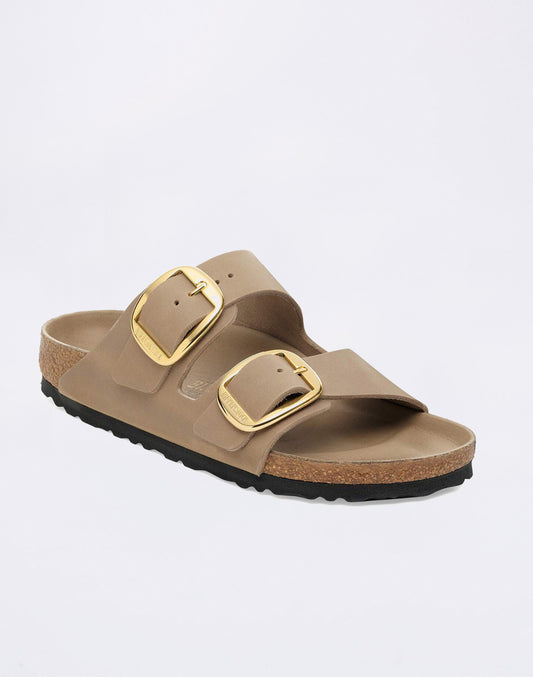
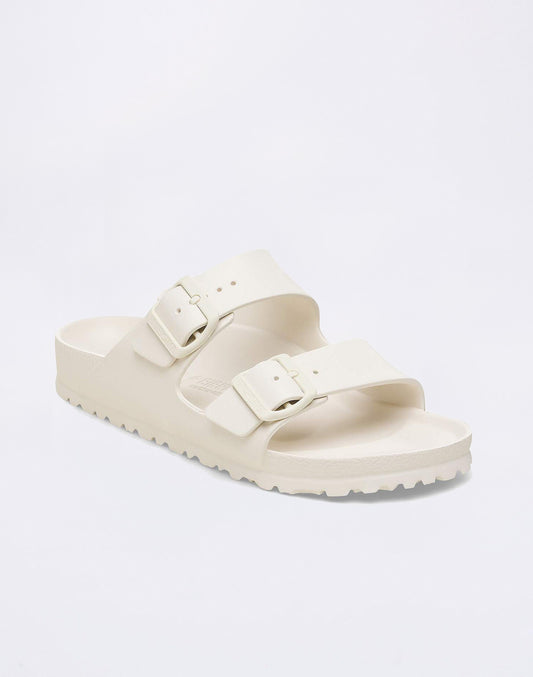
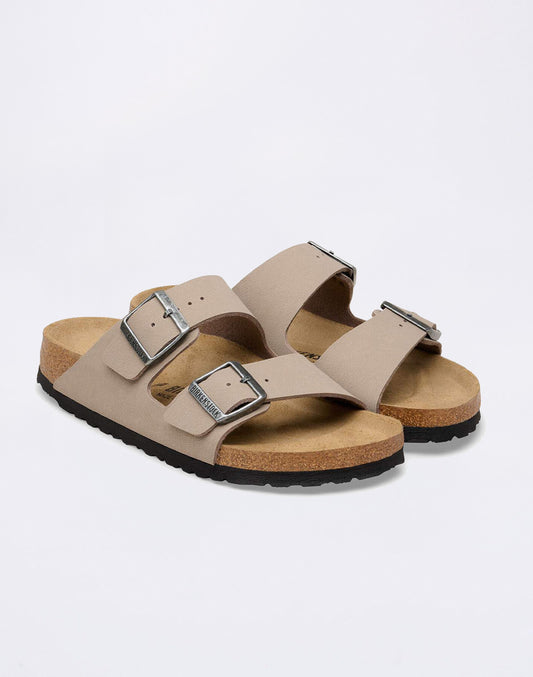
The Madrid and Arizona sandals have passed through the hippie era, German spa towns and fashion runways without changing their essence.
The footbeds are still made in Germany — the Görlitz factory alone produces around 80,000 a day from cork and latex.
Few products in the world have such a simple and inimitable trick: a shoe that adapts to the person, not the other way round.
More